
Craft a Brilliant World, Create a Better Life
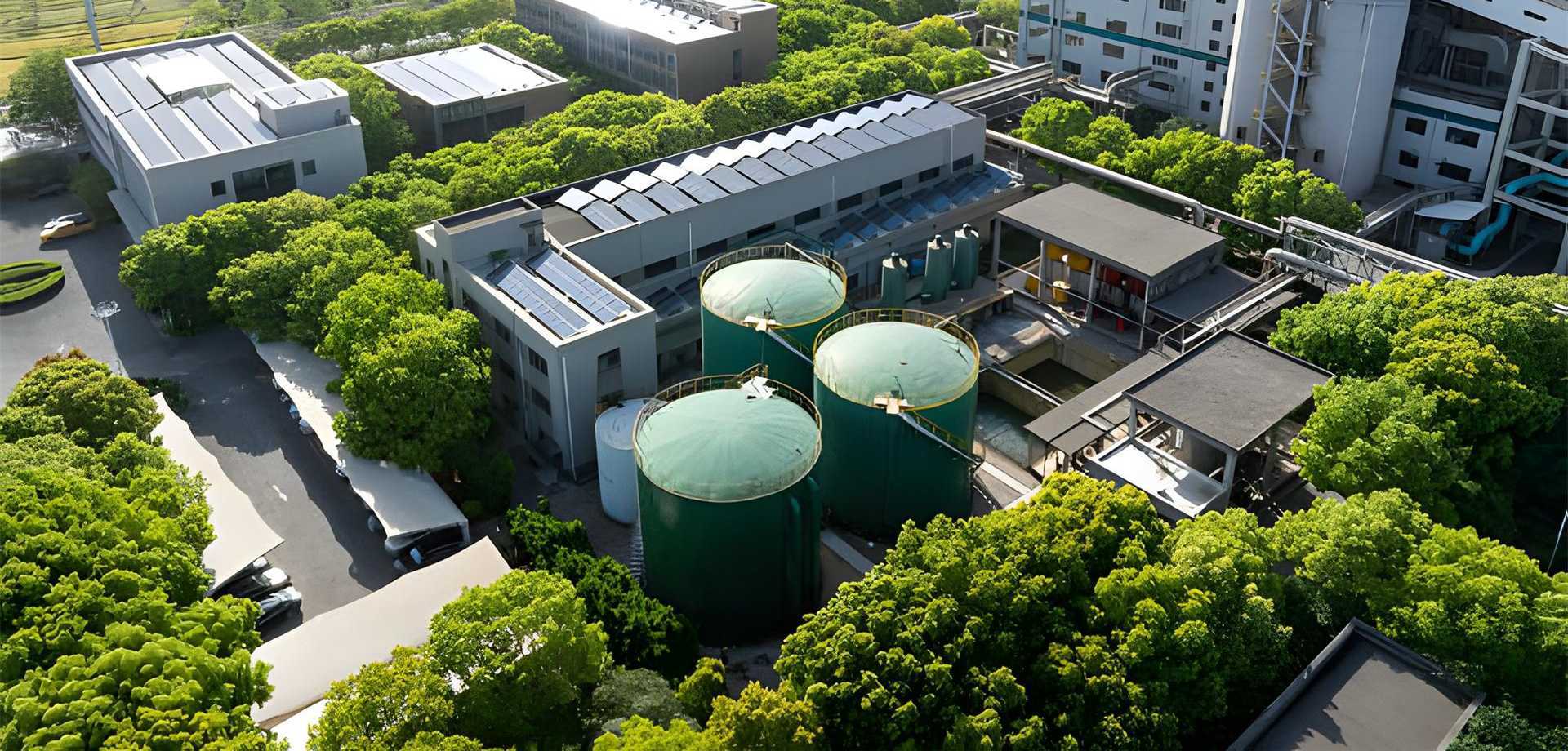
National Chemical Leader, Global Engineering Pioneer
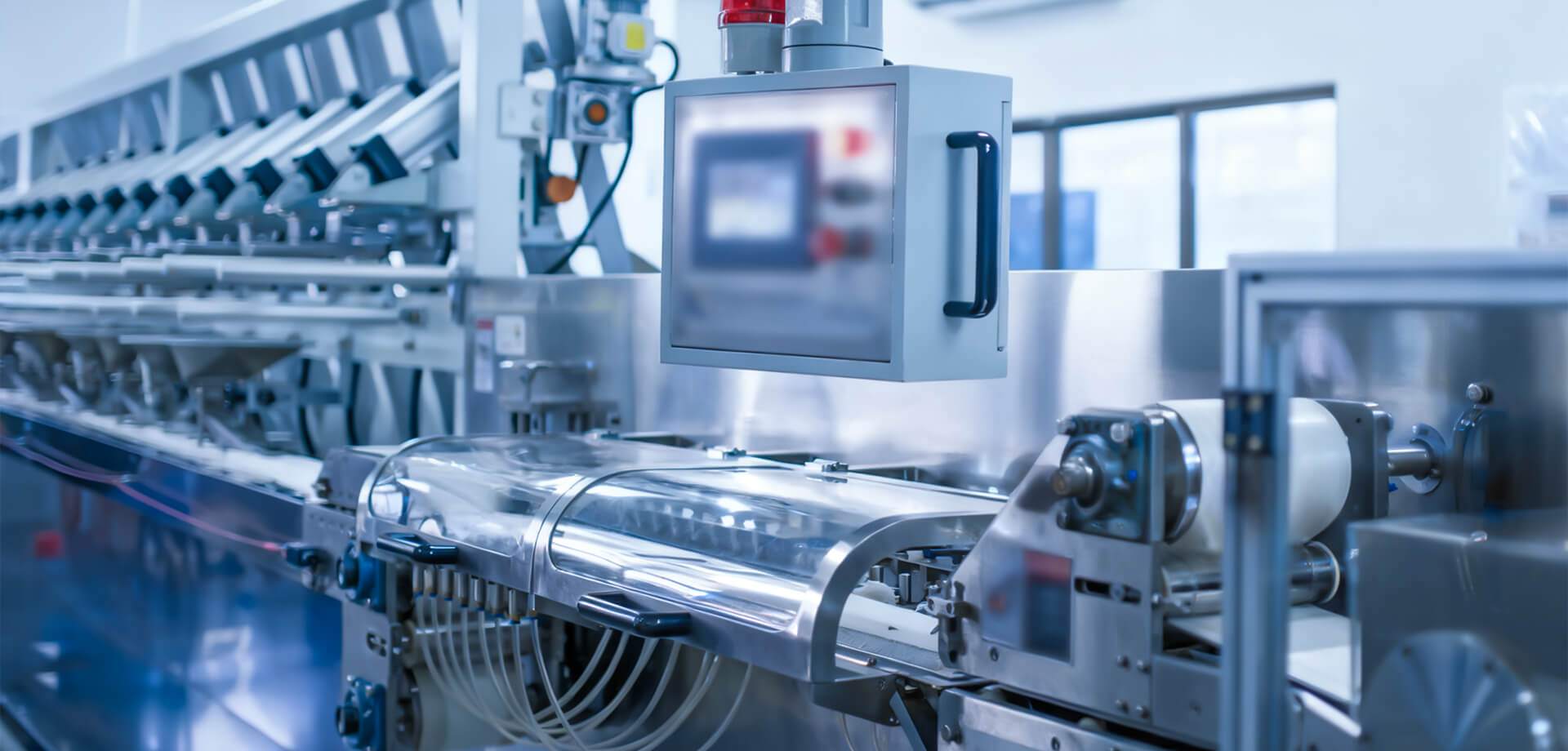
United Endeavor, Pragmatic Excellence

Innovation, Responsibility, Expertise, Win-Win

Who We Are
- 12hAfter-Sales Response
- Rapid after-sales response to ensure timely resolution of customer needs
- 99%Delivery Rate
- High delivery rate reflecting reliable supply chain and order fulfillment
- 100%Factory-Exit QC
- Full factory-exit quality control to guarantee product reliability
- 99%On-Time Delivery
- Consistent on-time delivery performance to support project schedules
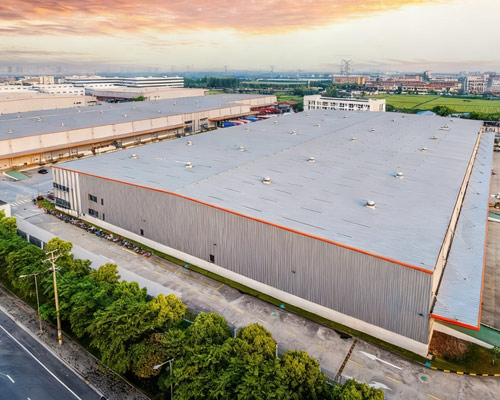
What Can We Do
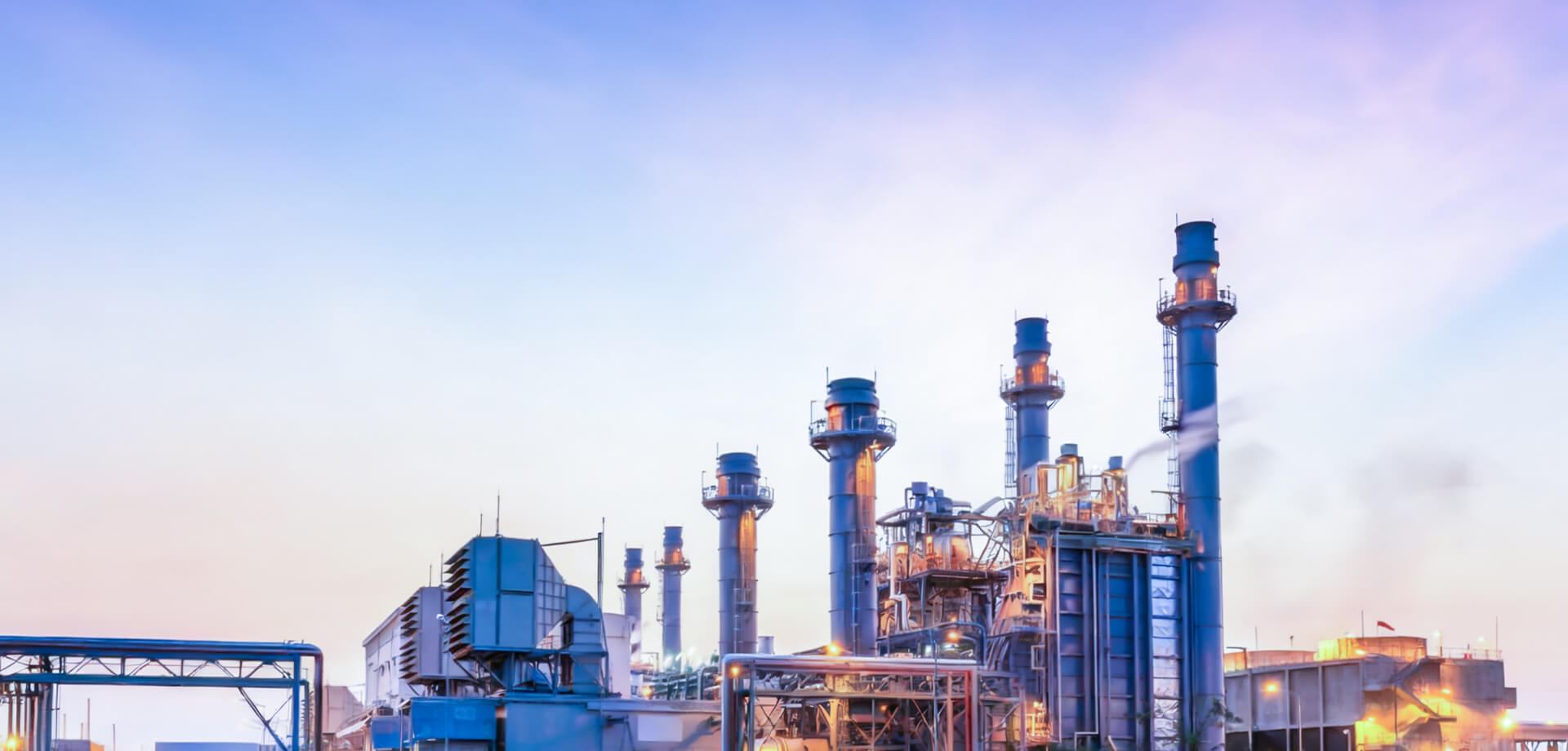


Our Responsibility
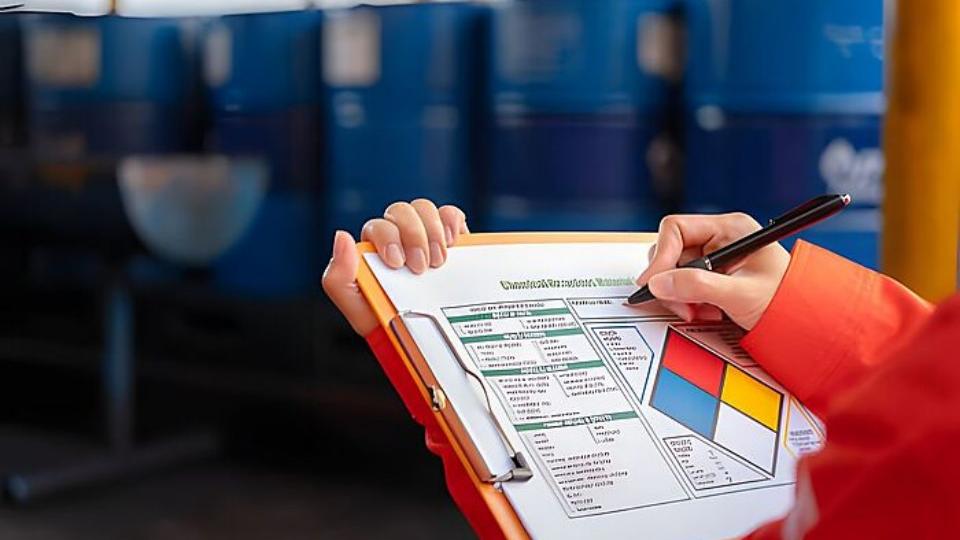
We are committed to being a leader in green chemistry and a benchmark for responsible development. ESG principles are deeply integrated into our business models, driving low-carbon innovation, safety compliance, and responsible collaboration. We dedicate ourselves to promoting sustainable transformation across the chemical industry.
News
View more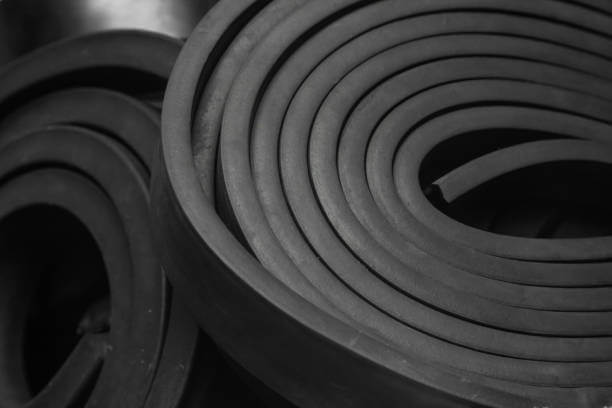
-
Full Application Analysis of SBR Rubber in Tires, Footwear and Industrial Rubber Products
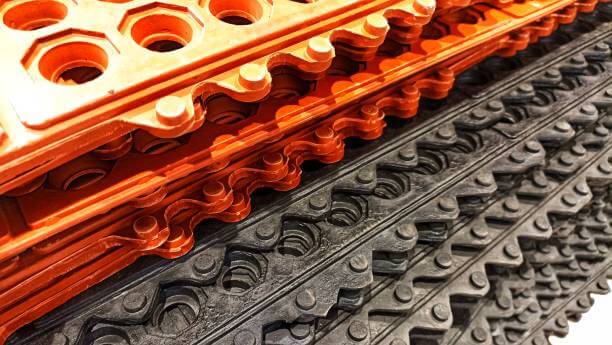
Styrene Butadiene Rubber (SBR) is the most versatile and high-volume synthetic rubber in the global polymer industry. Thanks to its balanced abrasion resistance, aging stability, tensile performance, and cost competitiveness, SBR has become the universal material covering tire manufacturing, footwear production, and diversified industrial rubber fields. Different SBR sub-grades, including ESBR, SSBR, and HSBR, are precisely matched to segmented application scenarios, forming a complete material system for low-cost general products to high-performance green manufacturing.The tire industry represents the largest consumption field of SBR rubber, accounting for more than 60% of global SBR trading volume. In traditional tire manufacturing, emulsion SBR (ESBR), including non-oil-extended grades such as SBR 1502 and oil-extended grades such as SBR 1712 and eco-friendly TDAE SBR 1723, is widely blended with natural rubber to produce tire sidewalls, tread compounds, and rubber cushion layers. It effectively improves tire wear resistance, crack resistance, and overall durability, meeting the long-term operating requirements of passenger cars, trucks, and engineering vehicles. With the upgrading of green tire standards and new energy vehicle popularization, functionalized SSBR has become a core high-end tire material. Its modified molecular structure significantly improves silica compatibility, realizing low rolling resistance, low heat generation, and excellent wet-skid resistance, which perfectly matches the lightweight and energy-saving demands of EV tires and high-performance passenger tires.Footwear manufacturing is another core downstream market for SBR rubber, especially dominating the mid-to-low-end and rigid shoe material fields. Non-staining ESBR 1502 is the mainstream grade for colored shoe soles, soft rubber uppers, and casual shoe components due to its stable coloring performance and excellent processing fluidity. High-styrene HSBR is professionally used as a blending reinforcing agent for hard shoe soles, shoe heels, and shoe toe caps. By blending with conventional SBR or natural rubber, HSBR greatly increases compound hardness, surface stiffness, and abrasion resistance, solving the problems of softness, deformation, and insufficient wear resistance of ordinary rubber shoe materials. Compared with EVA and pure natural rubber materials, SBR footwear compounds feature better molding clarity, stronger anti-slip performance, and lower comprehensive production cost, making them the preferred material for mass-produced casual shoes, work shoes, and sports shoe accessories worldwide.In industrial rubber product sectors, SBR exhibits strong environmental adaptability and processing compatibility, covering a wide range of heavy-duty and daily rubber components. In conveyor belt and transmission belt manufacturing, oil-extended ESBR improves rubber toughness and fatigue resistance, suitable for long-distance and high-frequency operating environments of mining, logistics, and industrial transmission equipment. In rubber hoses, sealing gaskets, and cable insulation materials, SBR provides stable aging resistance, water resistance, and insulation performance, ensuring long-term stable operation of industrial equipment and building systems. In addition, SBR is widely used in rubber flooring, waterproof coatings, rubber rollers, shock-absorbing rubber parts, and molded rubber miscellaneous goods. Its excellent formula adjustability enables manufacturers to customize hardness, elasticity, and wear indicators according to different industrial standards.From the perspective of market segmentation logic, ESBR focuses on large-scale, cost-sensitive general industrial and daily rubber products; SSBR targets high-value-added green tires and high-performance rubber compounds; HSBR undertakes rigid modification and hardness reinforcement scenarios. This graded application system enables SBR rubber to fully cover low, medium, and high-end market demands. As global industrial manufacturing becomes more refined and environmentally friendly, eco-friendly TDAE oil-extended SBR and functionalized SSBR will further penetrate high-standard overseas markets, while conventional ESBR will continue to maintain stable demand in general industrial fields, making SBR the most indispensable basic synthetic rubber in the global supply chain.
-
Functionalized SSBR: The Core Material for Green Tires and Electric Vehicle Tire Compounds
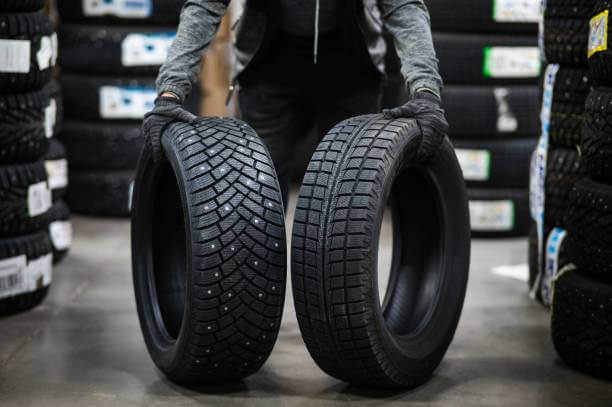
As global carbon neutrality targets accelerate and the new energy vehicle industry enters large-scale popularization, the global tire manufacturing industry is undergoing a revolutionary material upgrade. Traditional emulsion SBR (ESBR) and ordinary non-functionalized SSBR can no longer satisfy the dual stringent requirements of low energy consumption and high driving safety for modern green tires and electric vehicle tires. In this context, functionalized solution styrene-butadiene rubber (Functionalized SSBR) has emerged as the most critical high-performance elastomer, becoming the standard core material for global mainstream tire factories to develop low rolling resistance, high safety, and eco-friendly tire formulas.Different from conventional rubber grades, functionalized SSBR adopts precise anionic solution polymerization and advanced terminal functional modification technology. Its molecular chain is specially designed to achieve strong chemical bonding with silica fillers, thoroughly solving the long-standing “magic triangle” performance bottleneck in tire compounding that restricts rolling resistance, wet-skid grip, and abrasion resistance. Traditional tire rubber often requires trade-offs: improving fuel efficiency will reduce wet grip safety, while enhancing wear resistance will increase energy consumption. Functionalized SSBR effectively breaks this limitation, achieving simultaneous optimization of low rolling resistance, excellent wet braking performance, and long service life, which perfectly matches the core performance demands of new energy vehicles.Electric vehicle tires face stricter operating conditions compared with traditional fuel vehicle tires. EVs feature heavier vehicle weight, instant torque output, higher load pressure, and stricter energy-saving indicators. These characteristics require tire materials to have lower heat generation, higher rigidity, better wear resistance, and more stable high-speed performance. Functionalized SSBR, especially mainstream TDAE oil-extended functionalized grades, can significantly reduce tire hysteresis loss, effectively lower vehicle power consumption, and extend the cruising range of electric vehicles. Meanwhile, its excellent wet and dry grip performance greatly improves driving safety in rainy and complex road conditions, meeting the high-standard safety certification requirements of high-performance passenger cars and new energy vehicles.In the global green tire supply chain, functionalized SSBR has achieved rapid market penetration in recent years. Market industry data shows that functionalized SSBR maintains a year-on-year growth rate of over 9.4%, far exceeding the growth rate of ordinary synthetic rubber. In the high-end EV tire market, the consumption proportion of functionalized modified SSBR has risen from 25% in 2020 to 42% in 2026, and it is projected to exceed 55% by 2030. Major international tire manufacturers including Michelin, Bridgestone, and Goodyear have fully taken functionalized SSBR as the preferred material for new product research and development and batch production of green tires.Mainstream commercial grades represented by Arlanxeo VSL 4526-2, Kumho SOL 6270M, Trinseo SPRINTAN 4630, Zeon NS616, and domestic CNPC 2564S have formed a complete high-performance product matrix. All grades adopt environmentally friendly TDAE oil extension technology, fully complying with EU REACH environmental regulations, and can be exported to Europe, North America and other high-standard markets without compliance risks. Compared with ordinary SSBR and ESBR, functionalized SSBR has better silica compatibility, lower compression heat generation, and more stable aging performance, making it the exclusive choice for high-fill silica green tire formulas.Looking ahead, driven by global low-carbon policies, continuous upgrading of automobile energy-saving standards, and the rapid expansion of the new energy vehicle market, the market demand for functionalized SSBR will continue to grow steadily. With the continuous iteration of functional modification technology and the expansion of domestic and foreign production capacity, functionalized SSBR will further replace traditional rubber materials and become the absolute mainstream of the global tire rubber industry, supporting the sustainable development of the green tire and new energy automobile industry.